You've finished a new product, uploaded the photos, and checked your shop stats. Nothing much has changed. Meanwhile, another shop selling a similar gift seems to know exactly how to describe it, photograph it, and put it in front of the right buyer.
The difference may be less about the product than the decision behind the listing. One seller lists a necklace because it looks nice. Another checks whether shoppers want a personalized birth-date necklace, then makes the engraving and gift packaging obvious. Etsy trends are useful when they help you make that specific decision, not when they send you chasing an unrelated product.
Competition makes that distinction important. Etsy's marketplace had 86.5 million active buyers and 5.6 million active sellers at the end of 2025, according to Etsy's annual filing. Those totals don't tell you whether anyone wants your particular ceramic vase or printable planner.
Start with products you can already make well. Treat the following trends as opportunities to test, not promises of sales. For each, check the language buyers use, look for evidence of searches, and make a small listing change before buying materials or building a collection.
1. Personalized and Custom-Made Products
A name, anniversary date, or handwritten message can turn an ordinary object into a gift with a clear recipient. Think engraved jewellery with a child's birth date, family-name wall signs, family tree prints, and monogrammed kitchen or bar accessories.
This is a substantial part of Etsy's business, not just an attractive merchandising idea. Approximately 30% of Etsy's 2024 gross merchandise sales came from custom or made-to-order merchandise, according to Etsy's annual report.

Check the recipient and the customization
Compare phrases such as personalized name necklace gift, child birth date necklace, and engraved necklace for mom in an Etsy keyword tool. Look for recorded searches, then check your own Etsy search terms for related wording. Autocomplete can suggest language, but it doesn't establish demand by itself.
Say you sell a gold bar necklace. Test a preview image showing the actual engraving layout rather than an unengraved sample surrounded by gift props.
Make the input clear: State your character limit in the opening description and personalization instructions.
Show the choices: Label font styles and engraving positions so buyers don't have to guess.
Keep options manageable: Offer combinations you can produce reliably, using Etsy listing variations to organize appropriate choices.
Customization adds work as well as value. Proof requests, unclear spelling, and last-minute changes can eat into your margin. Compete on a distinctive result and an easy ordering process, not unlimited revisions.
2. Digital Downloads and Printables
A weekly planner doesn't need a shipping box, but it still needs a convincing reason to buy. The useful trend isn't digital products alone. It's a downloadable solution for a specific task or style.
Examples include minimalist habit trackers, budget worksheets, botanical wall prints, abstract art, and editable party invitations. A buyer planning a garden birthday party has a different need from someone organizing household expenses.
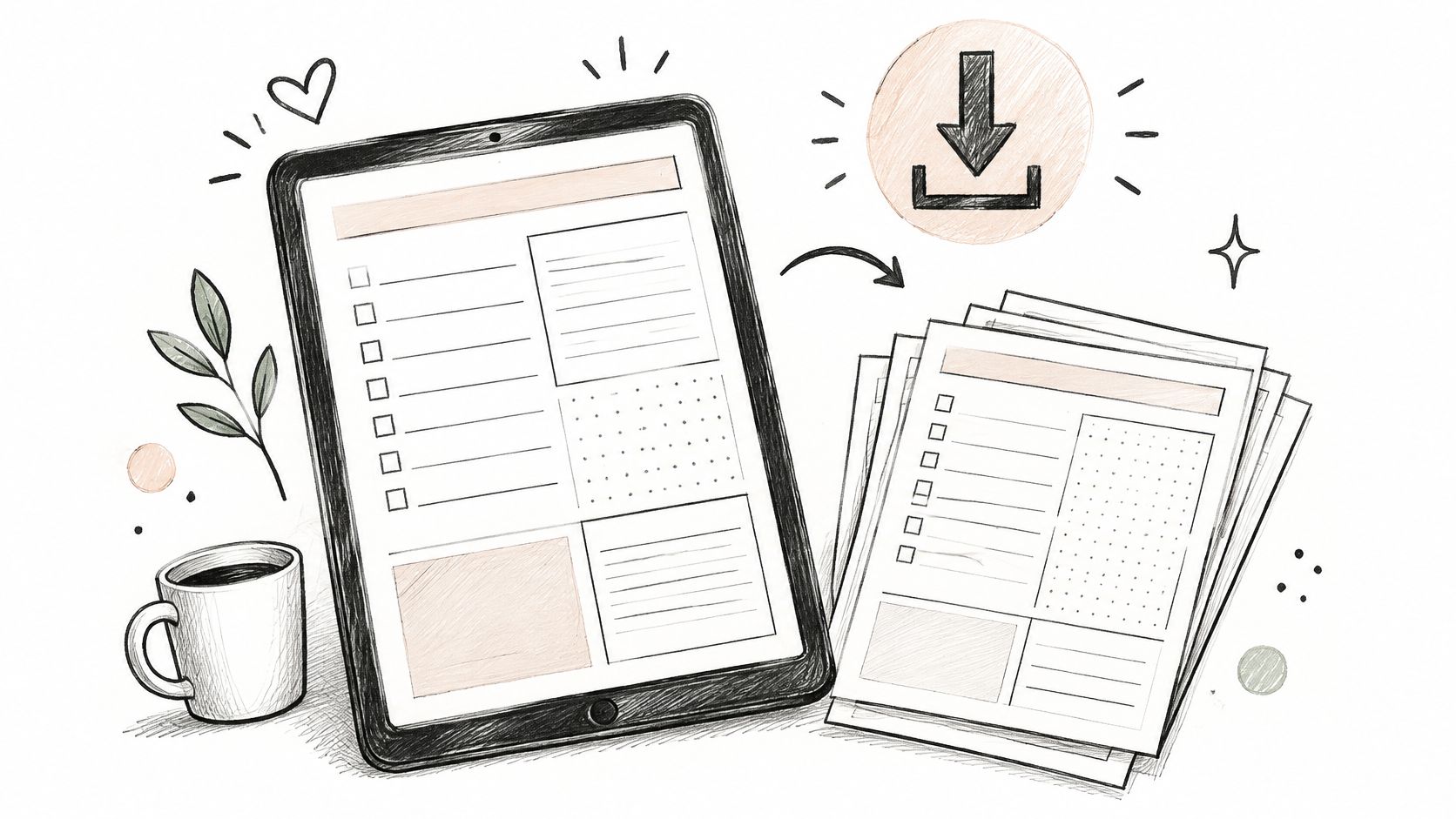
Check demand by comparing a broad phrase, such as printable planner, with a task-specific phrase, such as printable weekly meal planner. Etsy recommends multi-word keywords because detailed searches can express more specific buying intent in its keyword guidance. Use a keyword tool's search history where available, then see whether your listing receives relevant search visits.
Test clarity before adding more files
For a meal planner, change the main image to show the actual writing space, shopping list, and finished printed sheet. Make digital download, no physical item visible without covering the design.
Include a preview of every page and state the formats you supply, such as 8x10 and A4 for suitable printable artwork. Explain whether the buyer needs editing software, a browser-based editor, or only a PDF reader.
A related bundle can make the purchase more useful. A meal planner and grocery list belong together; unrelated worksheets added to inflate the file count don't.
Use Etsy SEO for digital downloads to refine the product wording, but fix usability too. No shipping doesn't mean no support. Printing problems and confusing editing instructions still cost time.
3. Minimalist and Japandi-Inspired Home Decor
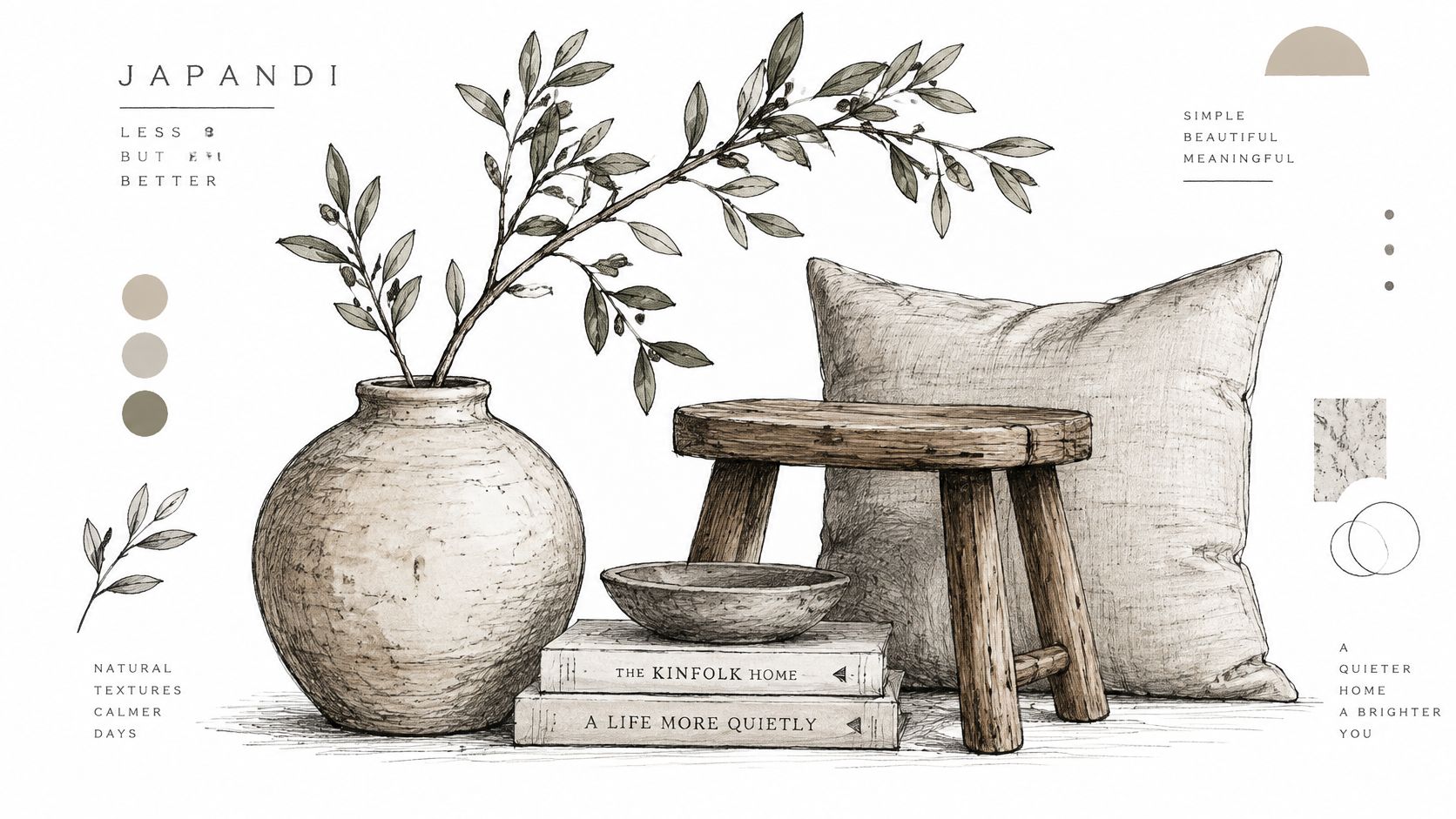
A neutral linen cushion can look plain against a blank background and inviting on a textured sofa. For minimalist and Japandi-inspired home decor, buyers need to see both the object and how it fits into a room.
Japandi combines Japanese simplicity with Scandinavian warmth. Handmade ceramic bud vases, neutral linen pillow covers, wooden trays, and minimal wall hooks are practical products to test within that style. Don't apply the label just because an item is beige.
Compare style searches with material searches
Check Japandi ceramic vase, neutral bud vase, and handmade stoneware vase separately. Use recorded search activity to decide whether shoppers recognize the style label or mainly search by material and product type.
Then inspect the results for product fit. Are shoppers seeing small sculptural vessels, large floor vases, or dried-flower arrangements? A phrase can receive searches and still attract the wrong audience for your item.
Test the title: Lead with the strongest accurate product phrase, then add the style where it helps.
Keep the palette consistent: Use warm neutrals across the listing without changing the apparent product colour.
Show scale: Place the vase beside familiar furniture and provide clear dimensions.
Explain function: State whether the vessel holds water or is intended for dried stems.
For a linen pillow cover, test a room-setting image after the clear product image. Show the closure, fabric texture, and whether an insert is included elsewhere.
The trade-off is styling versus accuracy. A beautiful room can earn attention while leaving buyers unsure what they'll receive. Keep decorative props secondary and make the sold item unmistakable.
4. Handmade and Small-Batch Craft Storytelling
A potter's glazing process can explain why the surface varies. A jeweller's polishing clip can show the finish more clearly than a paragraph of adjectives. A printmaker's block can help buyers understand what makes a hand-pulled print different.
Craft storytelling works best as product evidence, not a long biography before the dimensions and price. Describe what you make, how you make it, and which visible details result from that process.

Check whether buyers search for the technique by comparing wheel thrown pottery mug with ceramic coffee mug, or linocut botanical print with botanical wall art. Keep the product noun in the phrase. A technique-only search may attract people learning the craft rather than buying the finished object.
Show the process detail that helps a buyer understand the finished product. A close-up of the actual carved printing block says more than a generic studio photograph.
Test proof, not extra adjectives
For a hand-stamped pendant, add a process photo showing the stamp and the corresponding finished lettering. Open the description with the metal, the making method, and what the buyer can customize.
Use handmade and small batch only when they accurately describe your work. Explain normal variation without using it as an excuse for unclear quality standards.
Etsy considers listing engagement and conversion, alongside shop and service quality, according to its explanation of search ranking. A process image is therefore a conversion test, not a guaranteed ranking shortcut.
Keep it if it helps qualified shoppers buy. If buyers still ask basic questions about size or materials, those details need more attention than another studio clip.
5. Sustainable and Eco-Conscious Products
Recycled silver tells a buyer something concrete. Planet-friendly jewellery doesn't explain the material, its origin, or what makes the product different.
For this opportunity, start with facts you can document. Suitable examples include beeswax wraps, reusable food covers, jewellery made from recycled silver, and soy candles in reusable glass jars. Don't assume that a material name proves the entire product has a lower environmental impact.
Check material demand separately from broad values
Compare phrases such as recycled silver hoop earrings, reusable cotton food cover, and soy candle glass jar. Look for search activity around the exact material and use, rather than relying only on broad searches for sustainable gifts.
Say you make recycled-silver earrings. Test a title that names the material and shape, then add a close-up showing the finish. Keep supplier documentation so you can explain the claim accurately.
Name the component: Specify whether the recycled material applies to the whole piece, the metal body, or another part.
Show the packaging: Photograph the box, wrap, and inserts buyers receive.
Describe reuse: Explain how to clean or reuse the container when that's appropriate.
Avoid blanket claims: Don't describe a product as impact-free or fully sustainable without evidence.
Practical rule: If you can't explain a material claim in a plain sentence and support it with documentation, leave it out.
The trade-off is cost and availability. Reclaimed materials may vary, while different packaging can affect breakage and shipping weight. Price the actual product and packing process before presenting them as an upgrade.
Track whether material-specific searches bring buyers who purchase. Interest in a value doesn't automatically establish demand for your particular product.
6. Retro and Y2K-Inspired Aesthetics
A chrome-finish bag charm and a warm-toned typography poster can both be nostalgic, but they shouldn't share the same visual treatment. Retro and Y2K are starting points, not interchangeable keywords.
For a retro collection, consider warm colours, vintage-inspired lettering, and shapes associated with the 1970s. For a 1990s or early-2000s-inspired range, test playful phone accessories, bold hair clips, chrome effects, and colourful bag charms. Describe newly made products as inspired by an era rather than suggesting they're vintage originals.
Demand checks need the same precision. Compare Y2K phone charm, chrome hair clip, and retro typography poster rather than searching nostalgia and assuming everything beneath it sells.
Build a small, coherent test
Start with a short collection that uses a recognizable palette or shape. A coordinated group of original star-shaped charms gives buyers a clearer style choice than unrelated accessories with a Y2K label attached.
For a poster, test a readable thumbnail with the artwork filling the frame. For a hair clip, show it in hair so the buyer can judge its size and finish.
Use era-specific wording: Add 90s, retro, or Y2K-inspired only when the design fits.
Check search intent: See whether results match your product, not merely its colours.
Keep designs original: Don't depend on characters, logos, or other protected artwork to make the nostalgia recognizable.
Refresh presentation: Adjust seasonal styling without disguising the product itself.
Don't confuse a lively social feed with Etsy buying demand. Compare keyword-tool activity with your own relevant search visits and orders.
The practical trade-off is distinctiveness versus wearability. An exaggerated design may earn attention, while a simpler version may suit everyday use. Test that choice before expanding every colour and shape.
7. Seasonal and Gift-Ready Listings
A shopper buying wedding favours needs more than a pretty product. They need the right quantity, a clear personalization process, and confidence that the order can arrive before the event.
Seasonal opportunities include Mother's Day jewellery sets, wedding table decor, back-to-school accessories, and winter holiday ornaments. Gift-ready presentation can remove uncertainty, but it won't compensate for vague processing times.
Etsy's seasonal reports can help identify directions worth checking. Its report recorded wall-art decor search growth of 110%, based on normalized activity among signed-in U.S. users, according to Etsy's seasonal trend report. That's a category signal, not proof that a particular print or phrase will sell.
Check the occasion, recipient, and timing
Compare personalized Mother's Day necklace, mom birthday gift personalized, and your existing everyday phrase. Review the search history around the relevant occasion rather than judging a seasonal term during an unrelated period.
For a necklace set, test a photo showing the actual gift box and presentation. State whether the set arrives assembled, whether a message card is included, and what personalization the buyer must provide.
Prepare early: List seasonal products several weeks before the event so you have time to learn from buyer questions.
Name the recipient: Use the occasion and recipient where they accurately describe the gift.
Calculate the cutoff: Include making time, packing, dispatch, and the delivery service.
Keep promises realistic: Publish a last order date for guaranteed delivery only when you can support that guarantee.
Seasonal inventory creates a real risk. A dated ornament or event-specific design may be difficult to sell afterward. Where possible, test an existing product with occasion-specific presentation before committing to a separate production run.
8. Single-Listing Ranking for New and Seasonal Products
Sometimes the most useful trend to act on is focused visibility. Rather than rewriting an entire shop, choose a strong listing and a specific search phrase that describes it accurately.
A new jewellery shop might focus on its best name-necklace design. A printable seller might prepare a planner listing ahead of the new year. A home decor maker might concentrate on a seasonal candle while there's still time to fulfill orders.
Establish demand before paying for visibility
Use a phrase containing three or more words, with the product and a meaningful buying detail. Compare recorded search activity, competing products, and your listing's suitability. A phrase isn't useful just because it's easy to rank for.
Choose a listing with clear photos, a complete description, accurate tags, adequate stock, and a workable margin. Record its relevant search visits, orders, and conversion performance before changing it.
Etsy's annual report reports that about half of sellers sell exclusively on Etsy. That dependence makes careful measurement more useful than treating a visible position as success on its own.
A ranking is a visibility measurement. An order is a commercial result. Track both, but don't substitute one for the other.
Before paying for an Etsy SEO service, understand exactly how its ranking measurement works. Our checks use Etsy in English on desktop, in a fresh private browsing window, signed out, with default sorting and no filters.
Keep your own checks consistent too. Note the phrase, market, and date. If visibility improves but sales don't, investigate price, photographs, shipping, and product fit before buying more exposure.
How the 8 Etsy trends compare for sellers
Item | Product Type | Main Strength | Main Risk |
|---|---|---|---|
Personalized and Custom-Made Products | Customized physical products | Unique, high gift appeal | Personalization errors and longer fulfillment |
Digital Downloads and Printables | Downloadable digital products | Low overhead and repeat sales | Crowded niches and file-sharing |
Minimalist and Japandi-Inspired Home Decor | Handmade home decor | Broad appeal and cohesive styling | High competition and shipping costs |
Handmade and Small-Batch Craft Storytelling | Handmade craft products | Builds trust and supports higher prices | Takes time to create consistent process content |
Sustainable and Eco-Conscious Products | Eco-conscious physical products | Appeals to values-driven buyers | Claims must be verifiable; materials may cost more |
Retro and Y2K-Inspired Aesthetics | Trend-led accessories and decor | Strong visual and social appeal | Trends can fade quickly |
Seasonal and Gift-Ready Listings | Seasonal and occasion-based products | Predictable demand spikes | Short selling windows and tight deadlines |
Single-Listing Ranking for New and Seasonal Products | Etsy listing promotion strategy | Focused, measurable visibility goal | Ranking does not guarantee sales |
Turn Trends Into Listings That Sell
The best Etsy trend for your shop is the one you can connect to a real product, a specific buyer, and evidence of relevant searches. It doesn't have to be the most dramatic aesthetic or the category with the biggest reported increase.
A maker selling linen pillow covers doesn't need to launch chrome jewellery. A printable seller doesn't need to build an enormous planner bundle because digital products sound convenient. Start with your strongest product and find the language that helps the right shopper recognize it.
Make the test small enough to understand
Choose a listing with room to improve, not a product you already know is difficult to fulfill profitably. Write down its current title, main image, search visits, and orders so you have a useful baseline.
Then change the part most likely to be causing the problem:
Weak relevance: Refine the title and accurate search phrases to match the product and buyer.
Unclear thumbnail: Show the item, personalization, or useful feature more plainly.
Buyer uncertainty: Add dimensions, file requirements, materials, packaging details, or processing information.
Poor commercial fit: Reconsider the offer, total delivered price, or target phrase before pursuing more traffic.
Keep the rest stable while you evaluate the change. Record promotions, stock gaps, and approaching holidays so you don't attribute every movement to the edit.
Don't claim a win from a favourite or a single observed search position. Look for relevant visits, purchases, and enough margin to justify the work. If a trend attracts browsers who don't want your actual product, a steadier phrase may be the better choice.
Keep visibility and conversion separate
A clearer listing helps shoppers understand an offer. Ranking work helps them encounter it. Neither removes the need for good products, reliable fulfillment, and honest descriptions.
If a single key listing needs focused visibility, Upglider is an independent Etsy SEO service working with individual listings and agreed search phrases in the USA and UK markets. We're not affiliated with or endorsed by Etsy, and we never need your Etsy password or take over your shop.
Choose a trend that fits what you make, check the phrases buyers use, and update a listing this week. Start with the clearest necessary change and track what happens. If you want focused ranking help, send us your live Etsy listing and proposed search phrase so we can assess its fit before you commit.